

Blog
Transforming Learning Through EdTech Innovations

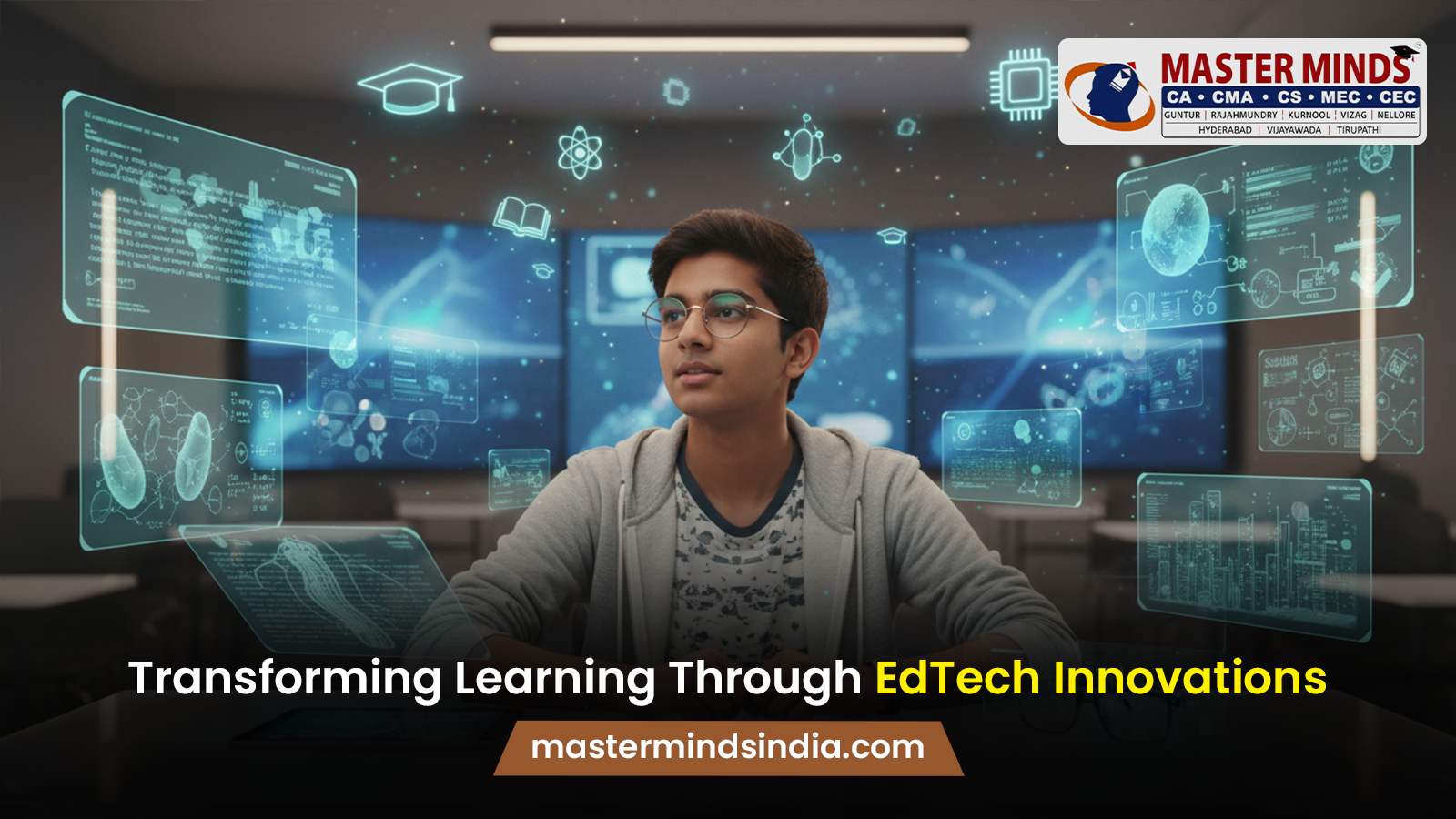
In today’s fast-paced world, technology is revolutionizing every aspect of our lives, and education is no exception. EdTech innovations are reshaping how we learn, making education more accessible, engaging, and personalized. In this article, we’ll explore how these groundbreaking tools are transforming traditional learning methods and what it means for both students and educators.
What Are EdTech Innovations?
EdTech innovations refer to the use of technology to enhance educational processes. This includes everything from online learning platforms, AI-powered tutoring systems, to virtual and augmented reality (VR/AR) tools. These innovations have been game-changers in the education sector, especially in the wake of the global pandemic, which forced schools and universities to embrace remote learning like never before.
What makes EdTech so powerful is its ability to adapt to the needs of individual learners. No longer do students have to follow a one-size-fits-all approach. With personalized learning pathways, technology can address each student’s strengths and weaknesses, fostering a deeper and more meaningful learning experience.
The Role of EdTech Innovations in Modern Education
1. Personalized Learning for Every Student
One of the biggest benefits of EdTech innovations is the ability to cater to different learning styles. For instance, AI-driven learning apps like Khan Academy or Duolingo use algorithms to adjust the difficulty level based on a student’s progress, ensuring they remain challenged but not overwhelmed. This level of personalization is something traditional classrooms can struggle to achieve.
2. Expanding Access to Education
EdTech innovations have broken down geographical and financial barriers to education. Platforms like Coursera and edX offer online courses from top universities, giving anyone with an internet connection the chance to learn at their own pace. Whether you’re in a rural village or a bustling city, EdTech allows you to access world-class education right from your device.
3. Enhanced Collaboration and Communication
Tools like Google Classroom, Zoom, and Microsoft Teams have made it easier for students and educators to communicate and collaborate. These tools allow for real-time discussions, group projects, and instant feedback, making the learning process much more interactive. The flexibility of online communication also means that learning doesn’t have to stop once the school bell rings.
4. Gamification and Interactive Learning
Gone are the days when students had to rely solely on textbooks for learning. With EdTech innovations like interactive simulations and educational games, students can engage with learning material in a fun and meaningful way. Platforms like Kahoot and Quizlet make revision feel like a game, which can significantly increase student engagement and motivation.
5. VR and AR for Immersive Learning Experiences
Imagine being able to visit the moon or explore the depths of the ocean from your classroom. With VR and AR, students can now experience immersive learning environments that were previously unimaginable. EdTech tools like Google Expeditions and Oculus for Education are helping students experience hands-on learning in ways that textbooks and traditional classrooms cannot replicate.
You Can Also Read:
- CA Intermediate New Study Material
- CA Course Duration After 10th, 12th & Graduation
- Tips to Crack CA in the First Attempt
- Time-Saving Calculator Tricks for CA Foundation Students
- How to become a CA?
- CA Foundation New Syllabus
- CA Inter New Syllabus
- ICAI CA New Scheme
What Does the Future Hold for EdTech Innovations?
Looking ahead, the possibilities for EdTech innovations are endless. As technology continues to evolve, we can expect to see more sophisticated tools that integrate artificial intelligence, machine learning, and even blockchain to further personalize education. Whether it’s through enhanced virtual classrooms or the use of data analytics to track student performance, the future of learning is undoubtedly tied to the advancements in EdTech.
The adoption of EdTech also promises to make education more inclusive, allowing learners with disabilities to access tailored learning tools that cater to their specific needs. For example, speech recognition and text-to-speech tools are making learning more accessible for students with dyslexia.
EdTech innovations are not just a passing trend—they are the future of education. By enhancing accessibility, personalization, and interactivity, these technologies are empowering both students and educators to create more effective learning experiences. As we continue to embrace these innovations, education will become more engaging, efficient, and inclusive, ensuring that learners of all backgrounds can thrive in the digital age.
So, if you’re an educator or a student, it’s time to dive into the world of EdTech and start harnessing the power of technology to transform your learning journey.
CA & CMA Online Classes: